“In an age of speed, I began to think, nothing could be more invigorating than going slow. In an age of distraction, nothing could feel more luxurious than paying attention.”
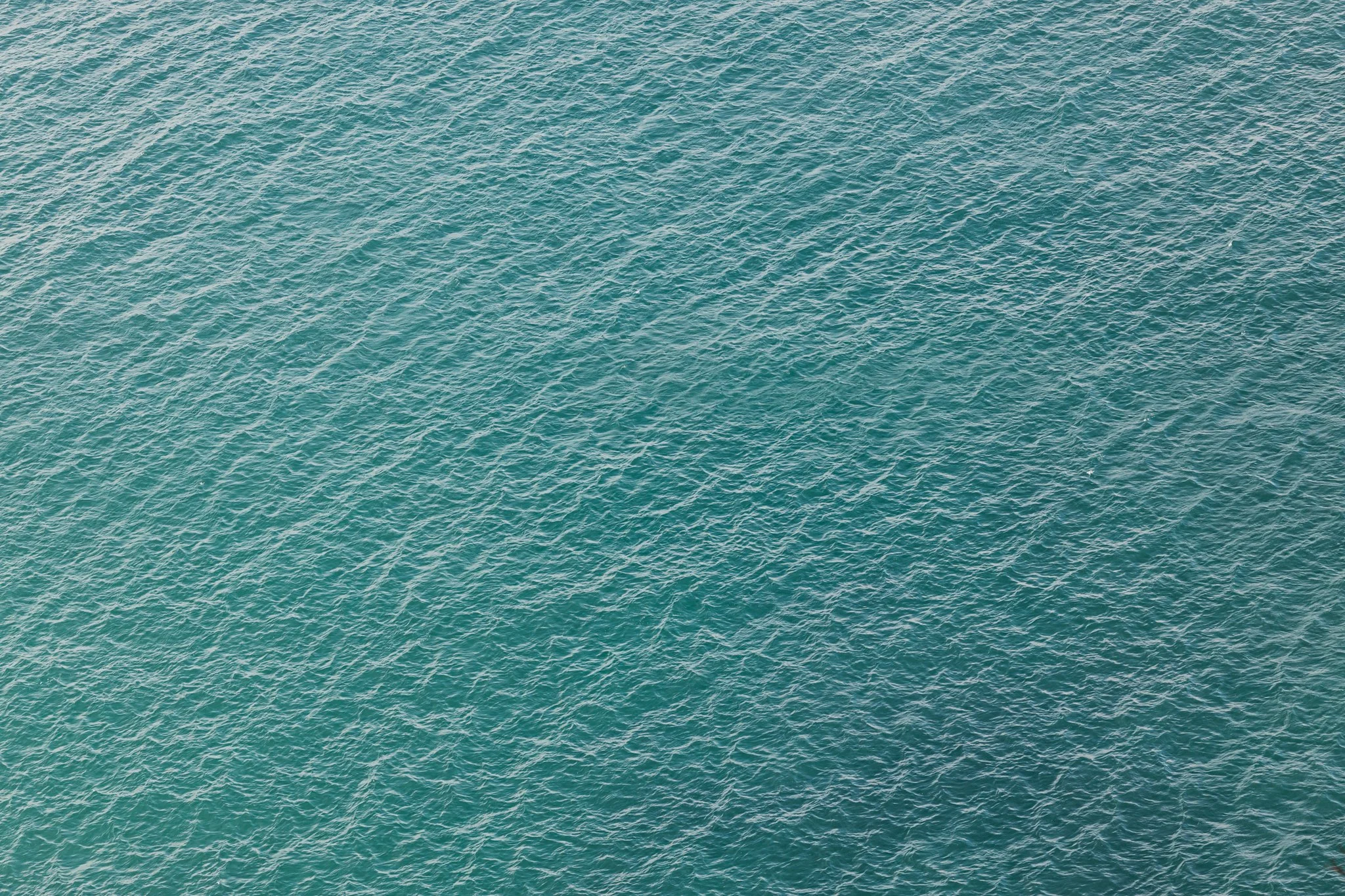
Photo from my trip to Nazaré, Portugal.
Travelling has become something completely normal for many people, and in many ways, that is a beautiful thing. We have more opportunities than ever to discover different countries, cultures and landscapes. But somewhere along the way, I feel that travelling has also crossed a line - from the rich experience it can offer into a checklist of countries visited, cities photographed and places ticked off on Instagram.
I don't really connect with that way of travelling.
So, in this travel series called “Slow Journal” , I want to explore something different:
slow travelling. Travelling with more presence, more curiosity and less pressure to see it all.
Yes, I have been there. I have travelled in a rush, with only a couple of days somewhere but an enormous desire to see EVERYTHING. Every famous sight, every museum, every beautiful street, every viewpoint. I would make lists, try to fit everything into a day, constantly think about what I was missing and move from one place to the next without really allowing myself to settle into any of them.
And, if I'm honest, travelling with that mindset often left me overwhelmed and stressedI remember feeling as though I was constantly chasing the next thing. Even when I was standing somewhere beautiful, part of my mind was already thinking about where I needed to go next. I was physically there, but sometimes my attention was somewhere else entirely.
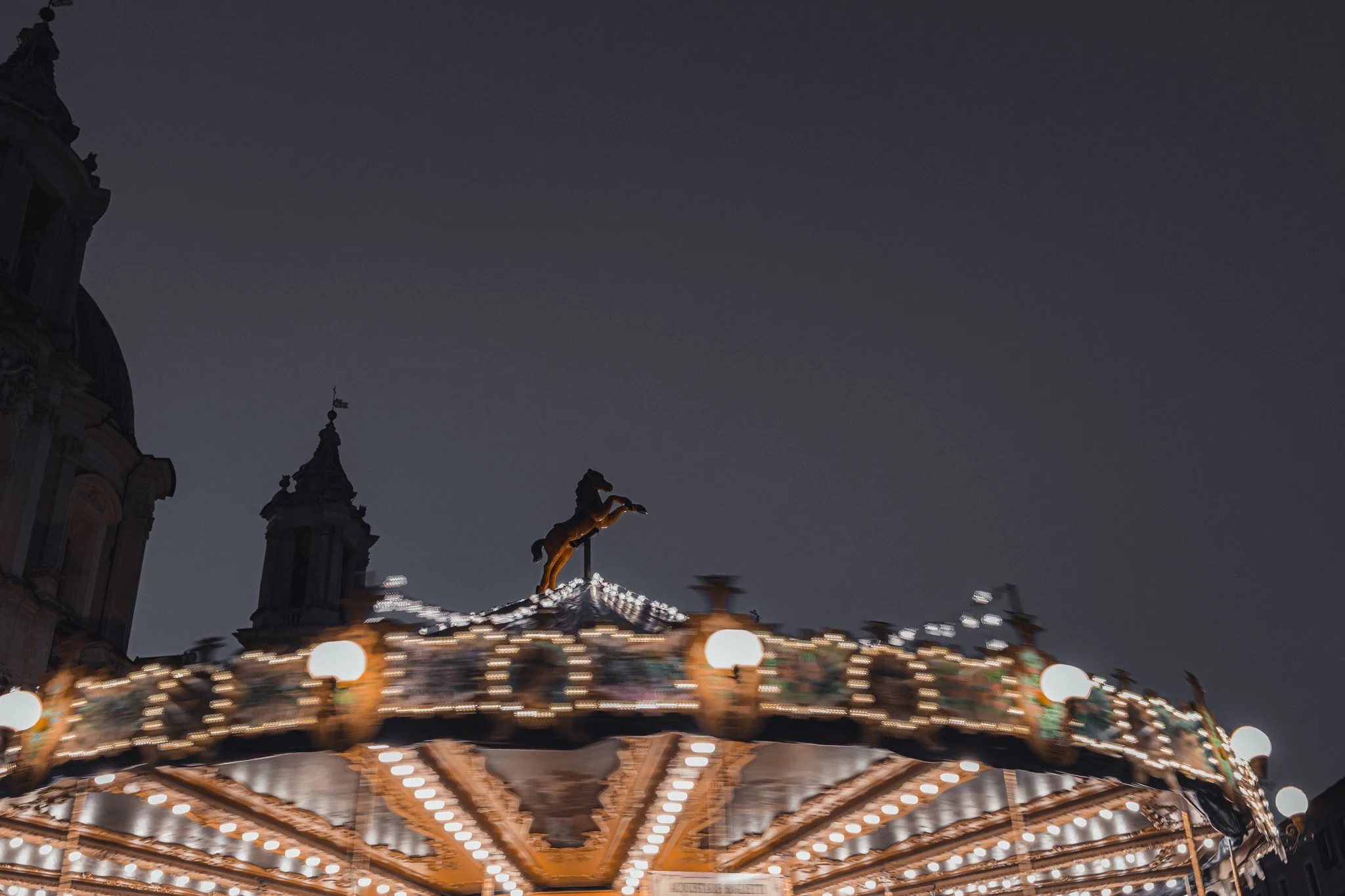
Photo from my trip to Rome, Italy.
Then, at some point, a very close person said something to me that really stayed with me:
“The moment I realised I can't see everything in the world during this lifetime, my life became more present and more beautiful.”
Something about that sentence shifted my perspective. I realised that I will never see everything.
There will always be another country I haven't visited, another little village I've never heard of, another museum, mountain, coastline, street, café or landscape waiting somewhere in the world.
And strangely, accepting that feels freeing.
Instead of asking myself, “How much can I fit into this trip?”, I started asking a different question:
“What is it that my heart really wants to experience here?”
Because when I think about the places I am naturally drawn to, there are always certain countries, cultures and landscapes that stand out. I don't need to see every corner of the world. I want to spend time in the places that genuinely call me.
And when I arrive somewhere, I often ask myself:
What is it that my heart really wants to see and experience in this place?
Is it the next museum on my list? Or perhaps I simply want to sit by the sea and feel the rhythm of the waves on this side of the shore. Maybe I want to wander through the streets without knowing exactly where I'm going. Maybe I want to sit in a café and watch people pass by. Maybe I want to notice what people are eating, where children are playing, what the streets look like at three in the afternoon, how the town changes on a Sunday evening, or what the neighbourhood feels like when the tourists have gone home.
These things might never appear on a list of “must-see” attractions.
But they are often the things I remember.
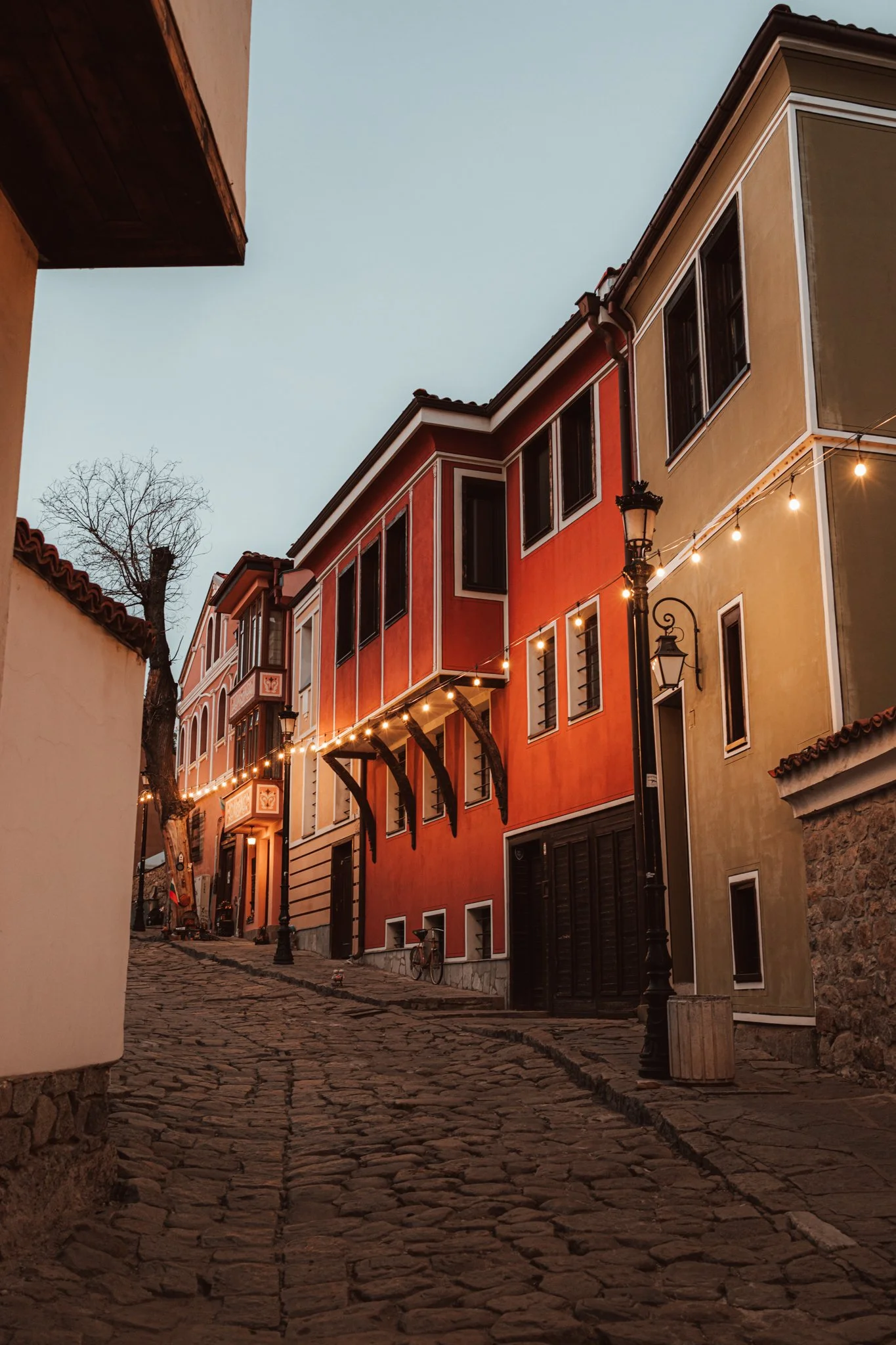
Photo from my trip to Plovdiv, Bulgaria.
I travelled differently in my twenties
In my twenties, I travelled at a much faster pace. I changed hostels, Airbnbs and cities every other day. Sometimes I woke up in the morning without knowing where I would sleep that night. There was something exciting about it, and I don't regret those experiences at all. There is a particular kind of freedom in travelling that way, and some of those memories will stay with me for a very long time.
But I'm not that person anymore.
Now, in my early thirties, I realise that I want more depth from my travels. I want to stay somewhere long enough for it to become familiar. I want to recognise the bakery around the corner. I want to know what the street sounds like in the morning. I want to notice how the light changes in the afternoon. I want to see what people do when they are simply living their ordinary lives. I want to feel the place rather than simply collect it.
And somehow, these slower memories seem to stay with me even longer.
Of course, there is no one right way to travel. Some people love moving quickly, seeing as much as possible and having a full itinerary. And there is absolutely nothing wrong with that.
For me, though, travelling slowly has become a way of practicing the same thing I try to practice in everyday life: being where my feet are.
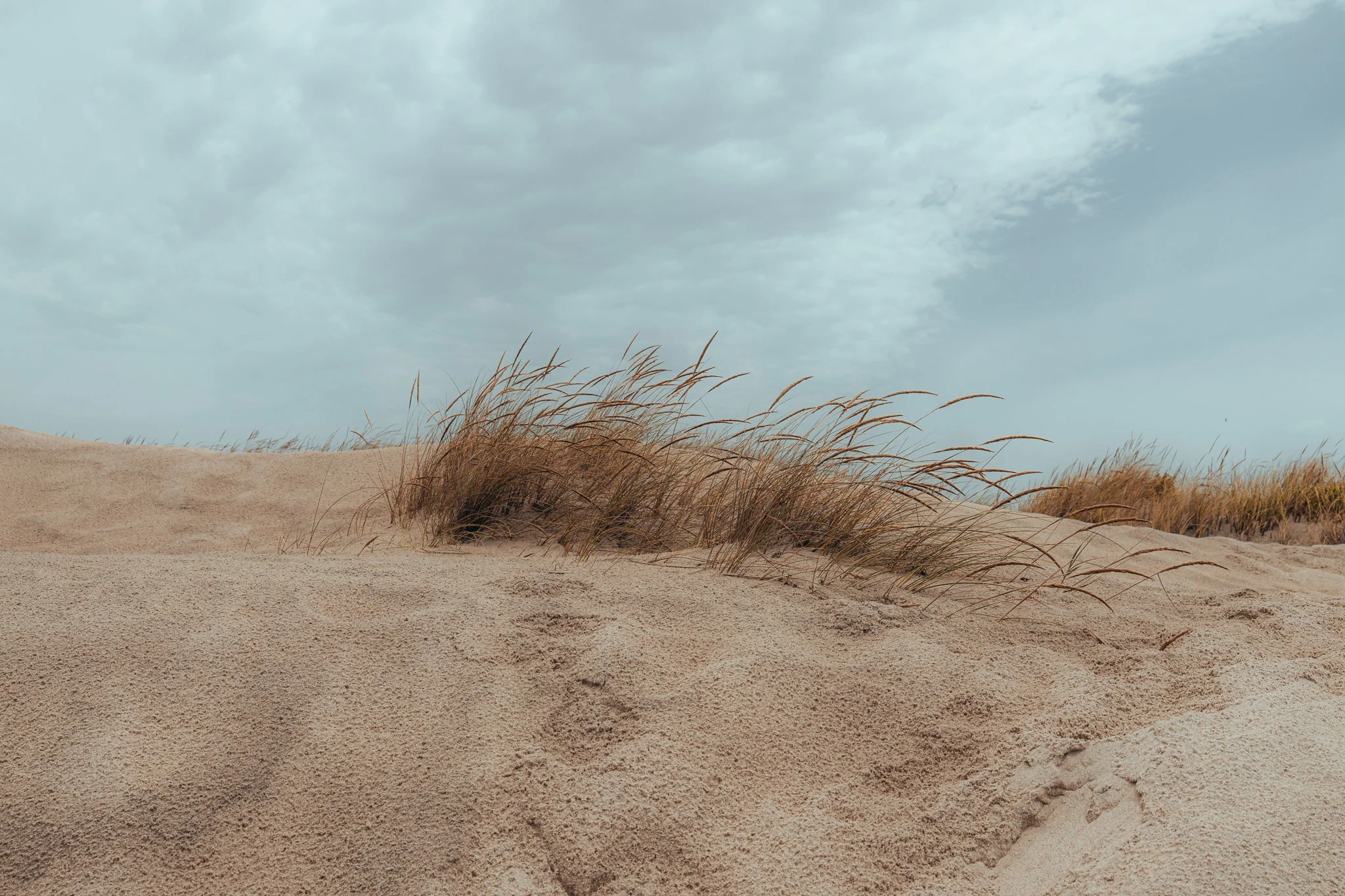
Photo from my trip to Costa Nova, Portugal.
But what if you only have a few days?
Of course, we don't always have the luxury of spending weeks in one place. Sometimes you have a long weekend. Sometimes you have three days between work commitments. Sometimes you have saved for months just to have a few precious days away.
Slow travel doesn't have to mean doing nothing.
You can still visit beautiful places, explore, walk through museums and see the sights. The difference is in the mindset you bring with you. Even with limited time, you can leave a little room for the place itself to surprise you.
Here are a few things that have helped me.
1. Choose what really matters to you
Before your trip, instead of creating an enormous list of everything you could possibly see, ask yourself: What am I genuinely excited about?
Choose a few things that really speak to you. Maybe it's one particular museum, a walk along the coast, a market, a historical site or simply spending an afternoon by the sea. You don't need to see everything for the trip to be meaningful.
2. Leave some empty space in your itinerary
This is probably one of the hardest things if you are used to travelling quickly. Don't fill every hour. Leave an afternoon with no plan. Leave a morning where you can wake up slowly. Give yourself permission to sit somewhere without wondering whether you should be doing something else.
Sometimes the unplanned hours become the most memorable ones.
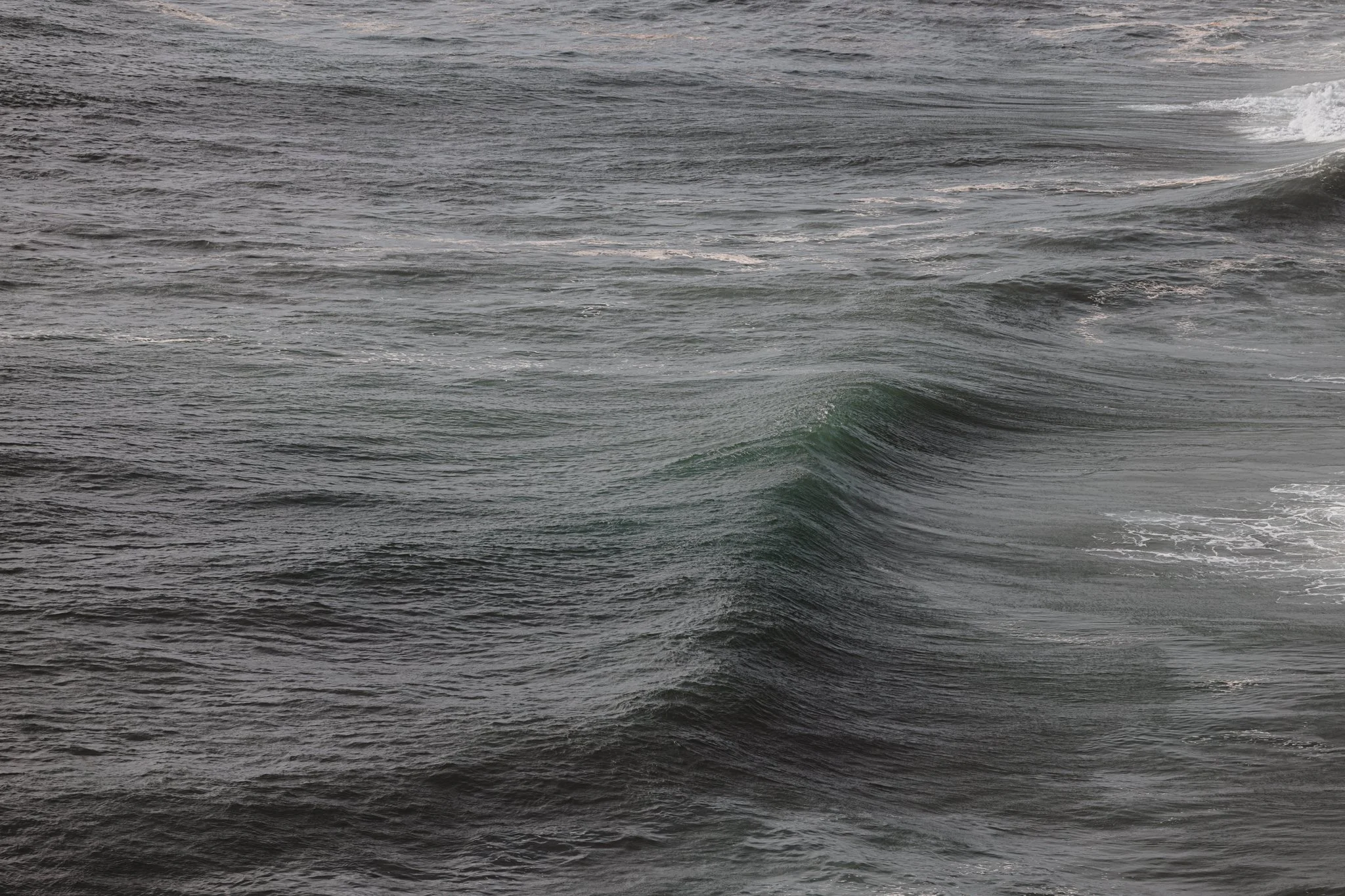
Photo of the Atlantic Ocean from my trip to Portugal.
3. Choose one place and stay there for a while
Instead of moving constantly from one attraction to another, choose a neighbourhood, square, beach, park or café and allow yourself to stay. Sit, watch, listen, notice.
What are people doing? What can you hear? What does the air smell like? What kind of light is falling across the buildings?
You might be surprised by how much there is to experience when you stop trying to experience everything.
4. Don't let your camera become a barrier
I love photography, so this is something I have had to learn myself.
Sometimes we can become so focused on capturing a place that we forget to actually experience it.
Before taking a photograph, pause for a moment. Look at what is in front of you, feel the atmosphere, notice what made you stop. Then take the photograph if you still want to.
That small pause can completely change the way you remember a place.
5. Have one “ordinary” experience every day
Visit a supermarket. Sit in a local café. Go to a bakery in the morning. Walk through a residential neighbourhood. Take public transport. Go to a park. Watch people going about their day.
These experiences can tell you something about a place that no sightseeing list can.
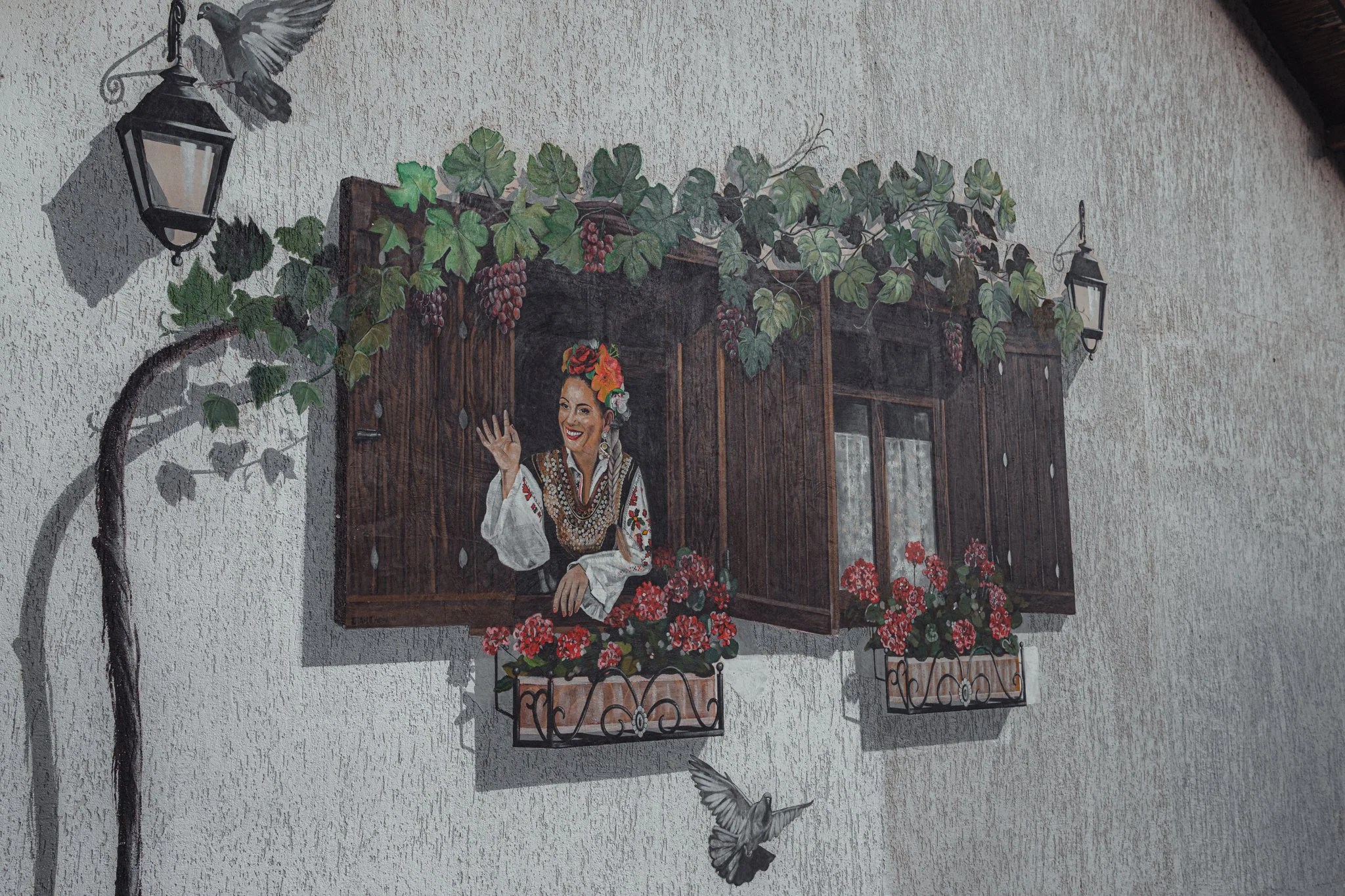
Photo from my trip to Veliko Tarnovo, Bulgaria.
6. Ask yourself what the place feels like
We often ask: What should I see here?
Try asking: What does this place feel like?
Does it feel slow? Lively? Quiet? Warm? Chaotic? Melancholic? Joyful?
What does the evening feel like compared with the morning? What sounds belong to this place? What will you remember about its atmosphere when you are home again?
These questions invite you to experience a place rather than simply look at it.
7. Let yourself miss something
This one has been surprisingly freeing for me.
You are allowed to leave a city without seeing every famous building. You are allowed to skip a museum. You are allowed to spend an entire afternoon doing almost nothing. You are allowed to return home knowing there are still things you haven't seen.
Missing something doesn't mean you travelled badly.
It simply means you are human, and a place is bigger than the amount of time you had there.
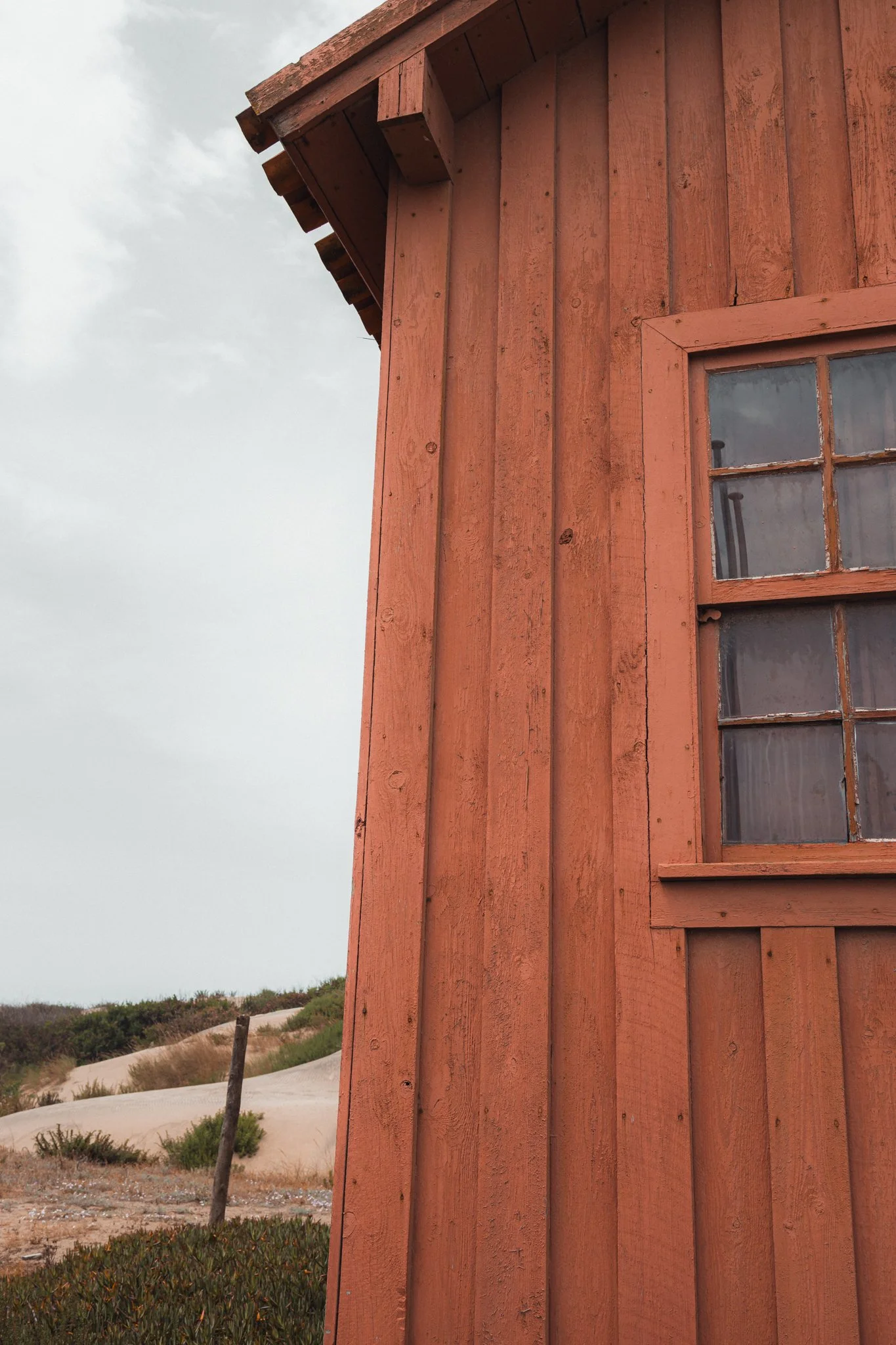
Photo from my trip to Costa Nova, Portugal.
The memories I want to take home
When I think about the trips that have stayed with me most, I don't always remember the famous sights first. Sometimes I remember the feeling of sitting outside a café in the late afternoon, or a particular smell coming from a bakery. The sound of people laughing in the street, or a quiet beach before everyone arrived. The way the sunlight fell across an old building, or a conversation I wasn't expecting to have. A morning when I had nowhere I needed to be.
These moments were not necessarily the most impressive parts of the trip.
They were simply the moments when I was there.
And that is what slow travel has taught me most. A meaningful trip isn't necessarily the one where you see the most. Sometimes it is the one where you feel the most.
Where you allow yourself to become curious about ordinary life. Where you stop measuring your journey by how many places you managed to tick off and start remembering it by the moments that made you pause.
I no longer want to collect countries. I want to experience places.
I want to leave enough space for a place to reveal itself slowly, rather than rushing through it in an attempt to capture everything before I leave.
Because I finally understand that I will never see it all.
And somehow, knowing that makes me much more excited about what I do get to see. So the next time you travel, perhaps don't ask yourself how much you can fit into your days. Ask yourself:
What do I really want to experience here?
And then leave a little room for the answer to surprise you.
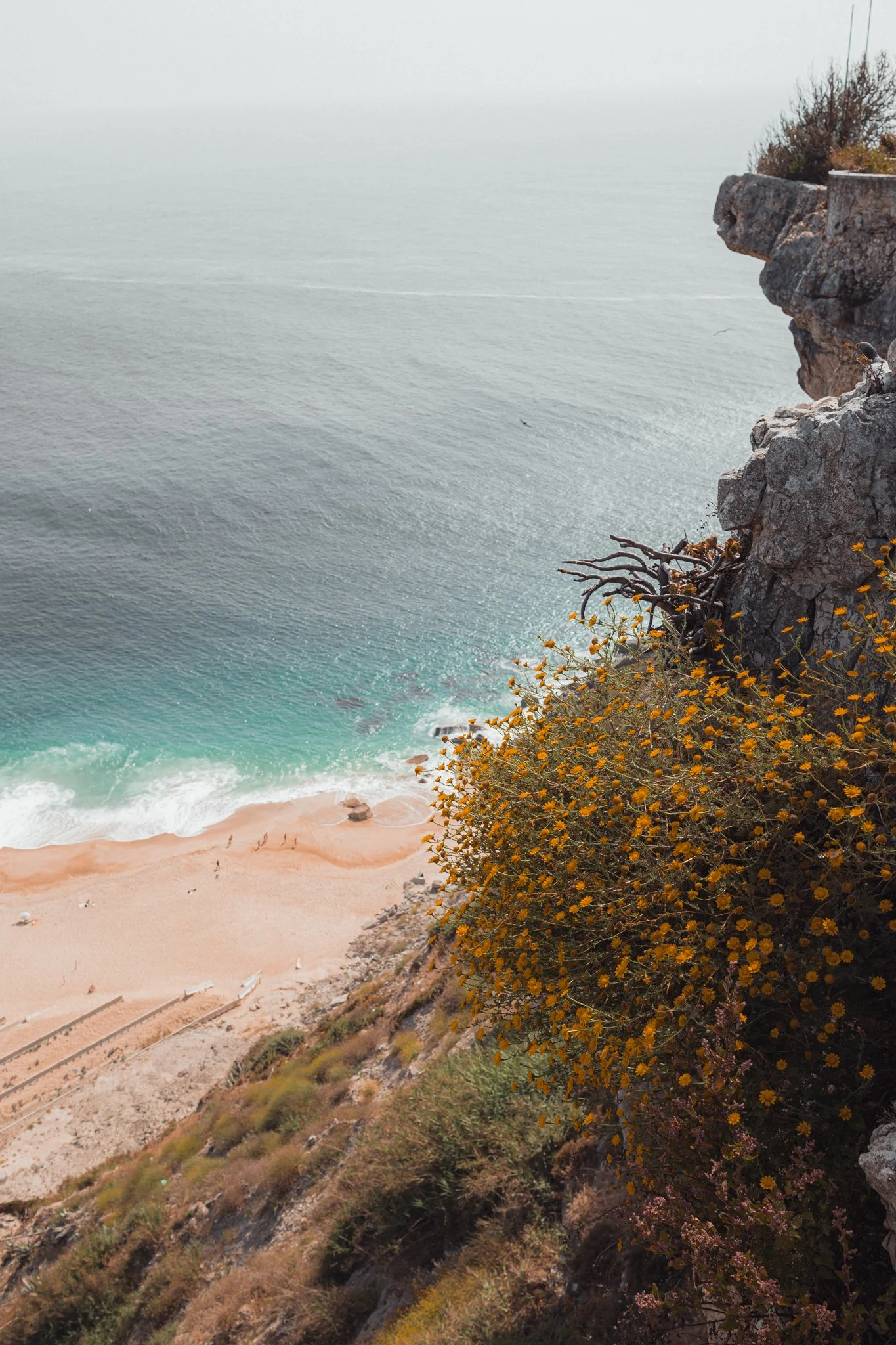
Photo from my trip to Nazaré, Portugal.